The Complete Guide to Working With an Interior Designer
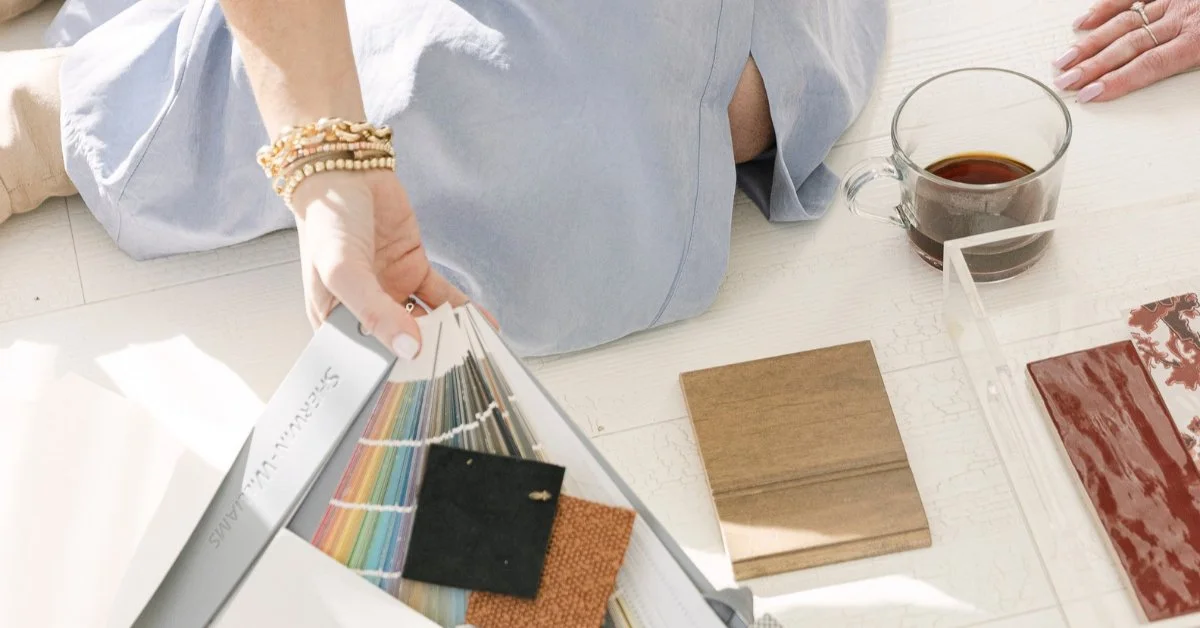
The right interior design services can shape a project long before the furniture arrives or the finishing touches are installed. For a renovation, new build, or whole-home project, an interior designer can help establish the vision, anticipate how decisions affect one another, coordinate countless details, and keep the finished home at the center of the process.
If you've never worked with a designer before, you may be wondering: What does an interior designer do? When should they become involved? What does full-service design actually include? And how much does it cost to hire an interior designer?
This guide takes a bigger-picture look at working with an interior designer, including when to bring one onto your project team, what happens behind the scenes, how the process unfolds, and what to consider before choosing the right designer for your home.
Table of Contents
What Does an Interior Designer Do?
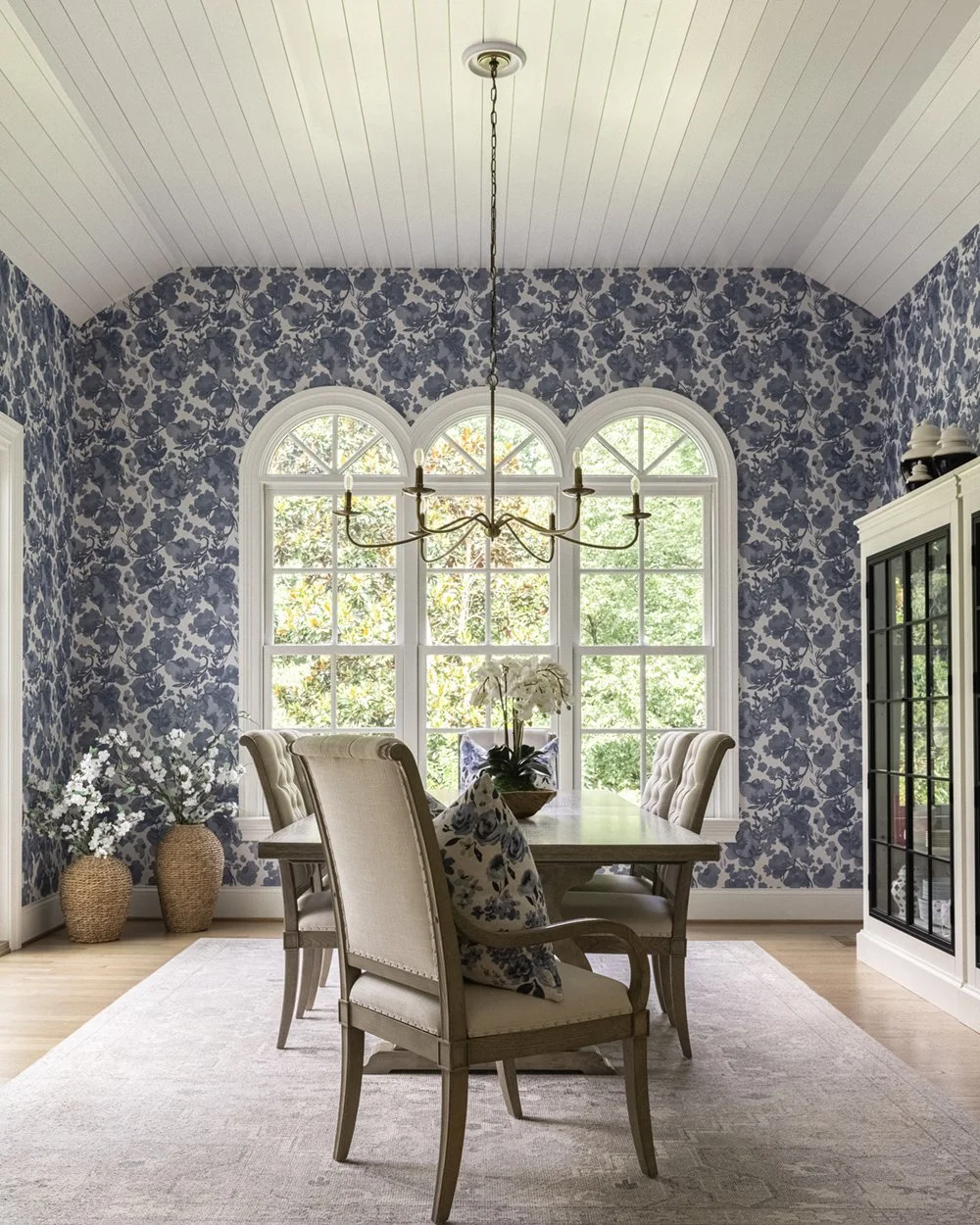
An interior designer helps connect the way a home looks with the way it needs to function.
For a full-service project, that means thinking beyond individual selections. The designer considers how spaces relate to one another, how the homeowners will use them, what needs to be determined before construction begins, and how decisions made at different stages of the project will ultimately affect the finished home.
Depending on the project, interior design services can touch many layers of the home, including space planning, kitchens and bathrooms, cabinetry, millwork, lighting, plumbing fixtures, materials, architectural details, furnishings, window treatments, artwork, and final styling.
But the designer's role isn’t just to choose each of these elements. It’s to create a clear direction for the project and make sure individual decisions continue supporting that direction as the home develops.
That distinction becomes particularly important during a renovation or new build, when decisions made early can influence what’s possible later.
What Is Full-Service Interior Design?
Full-service interior design means having a designer involved across the life of the project rather than bringing one in for a few isolated selections.
At Xela Andrews Interiors, full-service interior design services begin with understanding the client's goals and developing the overall design direction, then continues through plans, selections, collaboration with construction professionals, project management, purchasing, installation, and styling.
Our full-service work primarily centers around new construction, renovations, and furnishings, with the scope and level of involvement tailored to the needs of each project. Think of it as creating one continuous design thread from the earliest ideas through the finished home!
That continuity matters because a residential project doesn’t happen all at once. Architectural decisions may be made months before furniture is selected. Cabinetry may be finalized before lighting is installed. Materials may need to be specified while other portions of the home are still developing.
Full-service involvement allows the designer to keep the eventual finished home in view throughout those stages.
Ready to Talk About Your Project?
Considering a renovation, new build, or full-service design project? Let's talk about what you're planning and how design support can fit into the process.
Interior Designer vs. Interior Decorator
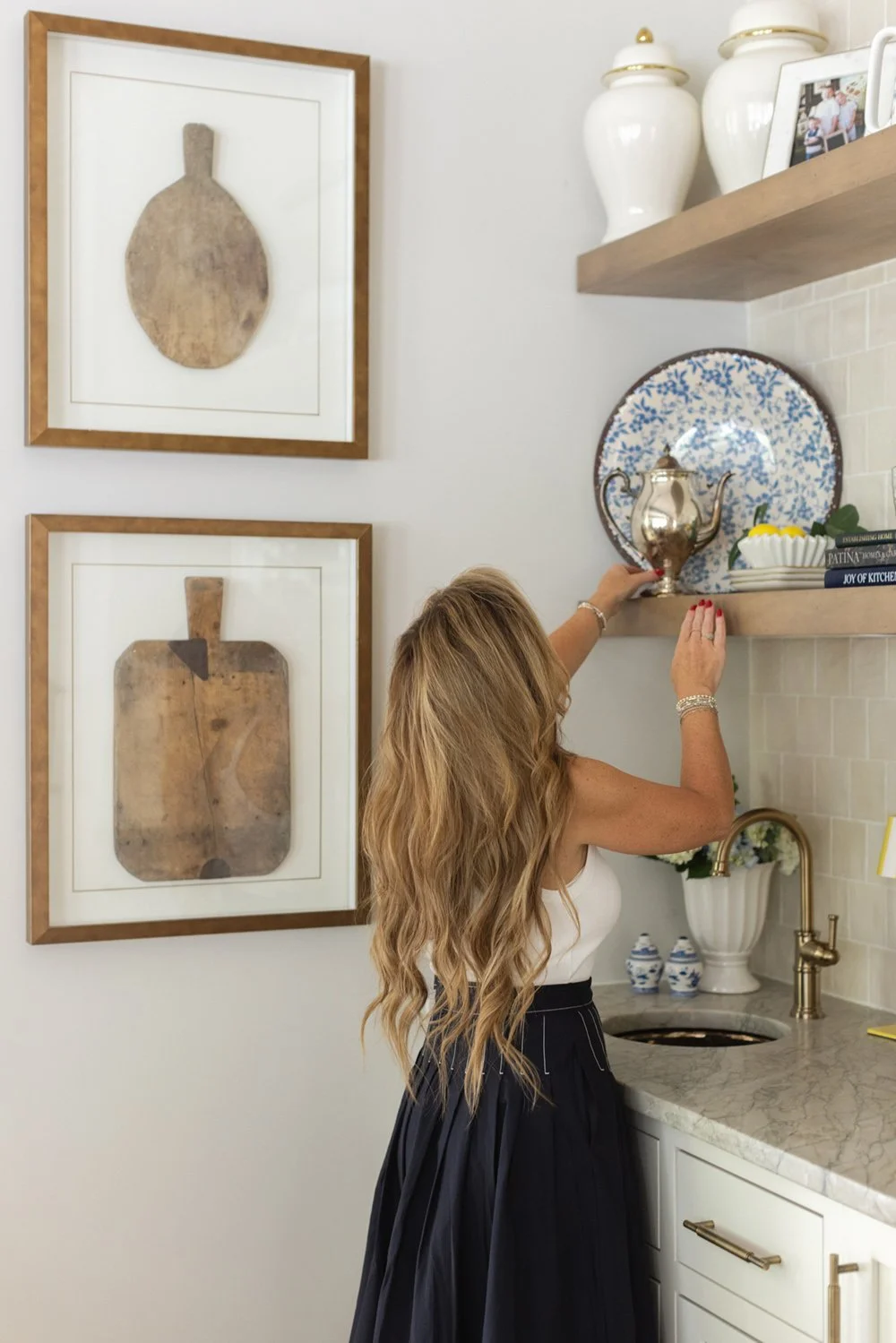
Interior design and interior decorating can overlap, particularly when it comes to the final visual layers of a home. But the distinction becomes more important when a project involves construction, spatial planning, permanent selections, or coordination with other professionals.
Generally, decorating concentrates more heavily on the visual elements added to an existing space. Interior design can extend further into how the space functions and how design decisions integrate with renovation or construction.
For homeowners, the more useful question isn't necessarily which title sounds right. It’s what level of support does your project require.
RELATED RESOURCE
A room that functions well but needs new furnishings may require a very different service than a kitchen renovation, custom build, or whole-home transformation.
Interior Designer vs. Interior Decorator: What's the Difference? →
When Should You Hire an Interior Designer?
For larger projects, one of the most valuable questions isn't simply whether you need a designer. It's when you should bring that designer into the conversation.
If your project involves construction, renovation, significant permanent selections, multiple rooms, or a new build, earlier involvement gives your designer more opportunity to contribute before important decisions are locked in.
This is particularly relevant if you're:
Building a custom home
Planning a significant renovation
Remodeling a kitchen or primary bathroom
Changing layouts
Designing several connected spaces
Making cabinetry, lighting, plumbing, flooring, or material decisions
Furnishing a substantial portion of the home
Working with a builder, architect, or contractor
Trying to create consistency throughout an entire home
If you're already thinking, "But I don't know exactly what I want yet," that's okay!
You don't need a finished vision before contacting a designer. Developing that vision is part of the work.
When to Bring a Designer into a Renovation or New Build

Interior design is sometimes treated as something that happens after the major construction decisions are complete, but for a full-service project, that can be too late.
Imagine planning a new kitchen. The cabinetry affects the layout. The layout affects appliance placement. Appliance specifications can influence cabinetry. Lighting needs to relate to work surfaces and furniture placement. Plumbing locations need to support the fixtures being selected. Flooring and countertops need to relate to the rest of the home's material palette.
These aren't separate decisions made in neat little boxes. They're connected.
The same is true throughout a custom home or substantial renovation.
Bringing your interior designer in while plans are still developing allows those relationships to be considered earlier. Instead of asking the designer to make an already-established space look finished, you're giving them an opportunity to help shape how the interior comes together.
For Renovations
Ideally, the designer becomes involved while the project scope and plans are still being developed, before every construction decision has been finalized.
That creates an opportunity to evaluate how the existing home works, what needs to change, and what design decisions should be addressed before demolition and construction begin.
For New Construction
In a new build, the designer can join the conversation while the home is still taking shape on paper.
That early involvement can be valuable for thinking through the interior experience before walls, electrical plans, cabinetry, lighting, plumbing, and other details are finalized.
The goal isn't to duplicate the role of the architect or builder. It’s to bring the interior perspective into the conversation while there’s still time for it to influence the project.
What Happens Behind the Scenes of a Design Project?
This may be the part of full-service interior design homeowners see the least.
A finished room can look wonderfully simple. The process required to make all of its pieces work together is anything but.
Take a primary bathroom.
The finished photograph might show a beautiful vanity, lighting, mirrors, tile, plumbing fixtures, cabinetry, hardware, and paint. But behind that photograph is a sequence of decisions that had to work together.
How large should the vanity be? What needs to be stored inside it? Where will the sinks sit? How does that affect faucet placement? How large can the mirrors be? Where should the sconces go in relation to those mirrors? Does that placement coordinate with the electrical plan?
Then there’s the shower. Its dimensions affect the glass. Plumbing affects fixture placement. Tile dimensions can influence layout and transitions. Niches and ledges need to be considered. Flooring, thresholds, hardware, grout, countertops, cabinetry, paint, and trim all have to live together visually.
Now multiply that kind of decision-making across a kitchen, living room, bedrooms, closets, hallways, and other spaces.
This is one of the less visible benefits of working with an interior designer. Someone is continually looking beyond the individual selection and asking how it connects to everything around it.

Decisions Also Have a Timeline
It isn't only what gets selected that matters. When a decision is made can matter just as much.
Some selections need to happen before construction begins. Others depend on measurements or decisions that happen later. Certain products have long lead times. Custom pieces may require additional coordination.
A designer helps organize the sequence so the project isn't approaching every decision as an unexpected emergency.
Drawings and Documentation Turn Ideas Into Direction
A verbal description can only communicate so much.
Plans, elevations, schedules, specifications, and design presentations help translate ideas into information that clients, builders, contractors, installers, and vendors can actually use.
That documentation is one of the ways a design moves from inspiration into something that can be executed.
How Interior Designers Work with Builders, Architects, and Contractors
A successful large-scale residential project requires multiple areas of expertise. The architect, builder, contractor, trades, and interior designer may all be looking at the same home, but they’re looking at it through different lenses.
The interior designer brings continual attention to how the homeowner will experience the finished spaces and how the design decisions throughout the project support that experience.
At Xela Andrews Interiors, this collaboration can include establishing floor plans and elevations, coordinating materials and design details, providing drawings and schedules, communicating during construction, and making site visits as the project develops.
This creates an important connection between the design as envisioned and the design as it’s actually being built.
When a question arises in the field, the designer can return to the larger plan rather than treating the decision in isolation. The result is a project team where each professional can contribute their expertise toward the same finished home!
Understanding the Investment in Professional Interior Design
How much does it cost to hire an interior designer?
This answer honestly depends on what you're asking that designer to take responsibility for.
A furnished room, a multi-room renovation, and a custom new build represent very different scopes of work.
For full-service design, the investment reflects much more than the number of products being selected. Project size, complexity, documentation, construction involvement, purchasing, customization, project management, and installation can all affect the scope.
At Xela Andrews Interiors, we use a custom, flat-rate design fee based on the scope, complexity, timeline, and anticipated level of involvement for each project. Rather than applying one minimum to every project, we think it's more helpful to understand the typical investment based on the type of project you're planning.
For new construction, comprehensive new construction and whole-home design engagements generally begin at $30,000+ in design fees.
For renovations, design fees generally begin around $15,000, with more extensive kitchen, multi-room, and comprehensive renovation projects commonly falling within the $25,000–$35,000+ design fee range.
For full-service furnishings, we look at the total project investment rather than the design fee alone. Single-room projects generally begin around $25,000+ in combined design fees and furnishings, while larger rooms and multi-room projects may represent investments of $40,000–$75,000+, depending on the scope and selections.
These ranges aren't intended to put every project into a box. They're simply a starting point to help you understand whether the scope of your project and anticipated investment are generally aligned before we begin.
Think Beyond the Design Fee
It's also useful to consider design within the context of the entire project investment.
Your design investment covers the professional time and expertise required to develop and manage your design. Your overall project investment may also include furnishings, lighting, plumbing fixtures, materials, custom pieces, window treatments, artwork, accessories, and other selections.
Construction and contractor costs are separate. Additional expenses such as shipping, freight, receiving, storage, delivery, installation, and applicable sales tax also vary by project and are billed separately.
Being transparent about these costs from the beginning gives both you and your designer an opportunity to determine what the project requires and whether expectations are aligned before moving deeply into design.
Planning a Larger Project?
If you're looking at your renovation or new build and realizing just how many decisions are ahead, you don't have to coordinate the design side of the project alone.
The Full-Service Interior Design Process
Every designer structures their interior design services differently and understanding the process gives you a much better idea of what you'll experience after deciding to work together.
At Xela Andrews Interiors, the full-service process follows six primary stages.

1. Consultation
The first step is about understanding the people who will actually live in the finished space.
The conversation explores your goals, lifestyle, preferences, priorities, challenges, and what you hope will feel different when the project is complete.
2. Design Development
With that foundation established, the project begins moving from ideas into a coordinated design.
This can include floor plans, elevations, materials, selections, and details, as well as collaboration with the builder, contractor, or trades involved in the project.
3. Presentation
The design is then presented so you can see how the individual decisions form a larger vision.
Plans and design boards help communicate the direction, while physical samples provide an opportunity to experience materials such as tile and fabric beyond a digital image.
4. Project Management
Once a project enters renovation or construction, design work doesn't simply stop.
We continue supporting the project through communication, schedules, drawings, and site visits so questions and design details can be addressed as work progresses.
5. Ordering and Expediting
Once furnishings and other products are approved, the purchasing phase begins!
Ordering, tracking, delivery, and installation all require coordination so the pieces specified during design can successfully make their way into the finished home.
6. Installation and Reveal
The final stage brings together the furnishings and finishing layers that make the completed project feel like home.
Furniture, rugs, window treatments, artwork, accessories, books, bedding, and other details complete the vision that began much earlier in the process.
RELATED RESOURCE
Want to get to know more about Xela's perspective on the work itself?
Making Hundreds of Design Decisions Feel Cohesive
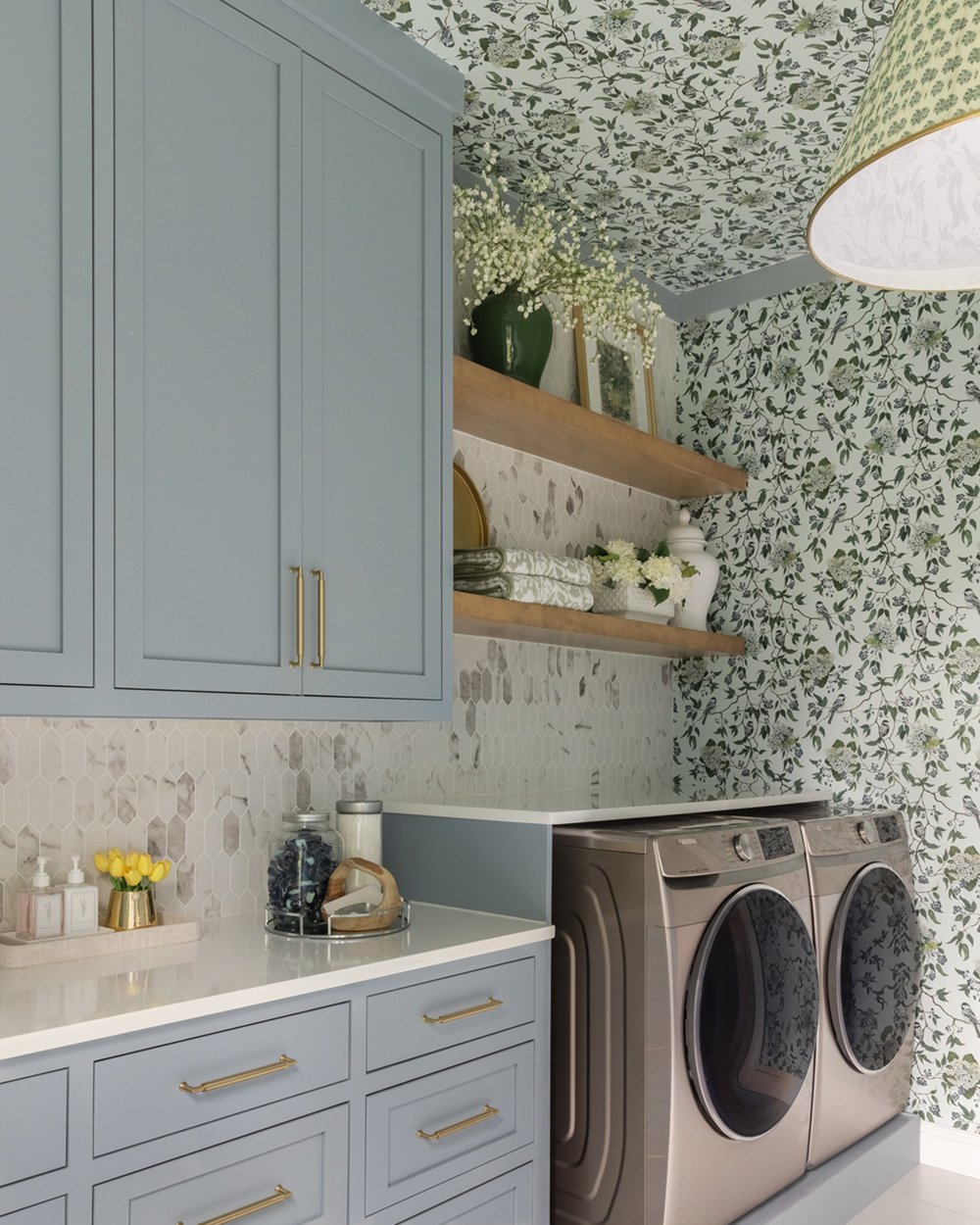
One reason full-service projects can feel overwhelming is that you're not making one big design decision. You're making hundreds of smaller ones. And those decisions often happen months apart.
A flooring selection made early in the project still needs to make sense with furnishings selected much later. A lighting decision may need to anticipate a furniture plan. Cabinet hardware should relate to the cabinetry, plumbing, lighting, and broader material palette without making everything feel overly matched.
The designer's job is to maintain the thread between those decisions.
Interior Design Styles Are a Starting Point, not a Formula
Understanding your preferences is important, but your home doesn't have to fit neatly into one of the established interior design styles to feel intentional.
You may like traditional architecture but cleaner furnishings. You may appreciate modern simplicity while still wanting warmth, pattern, antiques, or sentimental pieces.
Those combinations are useful information!
Rather than starting with a label and designing toward it, the process can begin by understanding what repeatedly catches your eye, how you want your home to feel, and what needs to function well for your everyday life.
From there, a cohesive visual language can begin to emerge.
RELATED RESOURCE
Color is one piece of that larger visual language. Explore Xela's approach to creating a timeless foundation with paint.
Interior Paint Guide for Timeless Homes →
Cohesive Doesn't Mean Impersonal
A professionally designed home shouldn't require you to remove everything that makes it yours.
Existing furniture, collected pieces, artwork, family heirlooms, and objects with personal meaning can become part of the design story.
The important question is how those pieces are integrated.
A designer can look at scale, placement, color, material, and surrounding furnishings to help an existing piece feel intentional within the new design rather than simply left over from the old one.

RELATED RESOURCE
See how distinctive furnishings can add history and personality to a home.
Tell Your Story with Unique Furniture Pieces →
Function Deserves the Same Attention as Beauty
Some of the most successful design decisions aren't immediately noticeable.
Storage is in the right place. Lighting supports the way the room is used. Furniture circulation feels comfortable. Frequently used items have somewhere to go.
A custom closet is a great example. Its success depends not only on its appearance, but on how effectively it supports a homeowner's routines, wardrobe, storage needs, and available space.
RELATED RESOURCE
How to Hire an Interior Designer for Your Project
If you're searching for an interior designer, it can be tempting to make the decision almost entirely from portfolios.
The work should absolutely resonate with you, but a full-service project involves much more than aesthetics.
You're choosing someone who may help guide months of decisions, communicate with other professionals working on your home, discuss project investment with you, and translate your preferences into something that can actually be executed.
Start With the Type of Project You're Planning
Before comparing firms, look closely at what you actually need.
Does your project involve construction? Do you need plans and elevations? Are you looking for help with permanent materials? Do you want your designer communicating with your builder? Will you need purchasing and installation support?
Then compare those needs with the firm's actual service offering.
Understand How They Work
Ask about the process from beginning to end.
You should understand what happens after you hire the designer, what the major project phases are, how decisions are presented, how communication works, and what responsibilities the designer takes on.
Look for Evidence of Thoughtful Design, Not One Particular Look
A portfolio can tell you more than whether you like a firm's aesthetic.
Look at how spaces function. Notice whether homes feel considered as a whole. See whether projects have personality or all look essentially the same.
If your goal is a home that reflects you, the designer needs to be able to interpret your preferences rather than simply reproduce their own.
Think About the Working Relationship
Knowing how to hire an interior designer also means considering the human side of the relationship.
You'll be discussing your home, routines, preferences, priorities, and investment. You may end up working together for a significant period of time, so clear communication and a sense of trust matter.
Consider Local Experience
Searching for an interior designer near Nashville or interior design companies near Nashville makes sense when your project is located in the area, particularly for a full-service project that may involve site visits and ongoing coordination.
From there, narrow your search based on scope, process, portfolio, and whether the firm's approach aligns with the kind of experience you want.
Have a project in mind but aren't quite ready to schedule? Tell us a little about what you're planning.
Preparing for Your First Design Consultation
Your first conversation isn't something you need to "prepare for" perfectly.
You don't need to know the name of your interior design style, arrive with every room mapped out, or have a final list of products you want.
What is helpful is being ready to talk about the project itself.
Think about what you're planning, what isn't currently working, which spaces are involved, whether construction is part of the project, your anticipated timeline, and what you hope the finished home will allow you to do or feel that it doesn't today.
It’s also useful to have an initial understanding of your overall investment comfort level. That doesn't mean you need to know exactly what everything should cost. It simply gives your designer context for developing a scope that aligns with the project.
If you have inspiration images or existing pieces you want to incorporate, bring those into the conversation too.
Most importantly, be open about what you know and what you don't.
The consultation is an opportunity to determine whether the project and designer are a good fit, not a test of how much design knowledge you already have.
Frequently Asked Questions About Working With an Interior Designer
What does an interior designer do?
An interior designer helps plan how a space will function and how the many visual, material, and practical decisions throughout a project will work together. Depending on the scope, that may extend from early space planning and construction selections through furnishings, installation, and final styling.
What are full-service interior design services?
Full-service design means the designer remains involved through multiple phases of the project rather than providing recommendations for you to execute independently. At Xela Andrews Interiors, the process can span consultation, design development, presentation, project management, ordering, and installation.
When should I hire an interior designer for a renovation?
For a significant renovation, consider hiring your designer while plans and scope are still developing. Earlier involvement creates more opportunity to address design decisions before construction limits the available options.

When should I hire an interior designer for a new build?
Ideally, bring your interior designer into the process while the new home is still being planned. This allows the interior perspective to be considered alongside architectural and construction decisions rather than added only after those decisions have been finalized.
How much does it cost to hire an interior designer?
The cost depends on the scope, size, complexity, and services required. At Xela Andrews Interiors, we use custom, flat-rate design fees based on each project. New construction design engagements generally begin at $30,000+, while renovation design fees generally begin around $15,000. Full-service furnishing projects typically begin around $25,000+ in combined design fees and furnishings.
Do I need to know my interior design style before hiring a designer?
Not at all. You can come to the process with a clear aesthetic or simply a collection of things you like. Your designer can help identify the common threads and translate them into a cohesive direction.
Can my interior designer work with the builder or contractor I've already hired?
Yes! Xela Andrews Interiors collaborates with builders, contractors, and trades as part of its full-service process. The exact responsibilities and coordination will depend on the scope of your project.
Is full-service interior design only for whole-home projects?
No. Full-service design can apply to different project sizes! What matters is the scope of work and the level of professional involvement the project requires.
Related Interior Design Resources
A room that functions well but needs new furnishings may require a very different service than a kitchen renovation, custom build, or whole-home transformation. Interior Designer vs. Interior Decorator: What's the Difference? →
Want to get to know more about Xela's perspective on the work itself? What We Love About the Interior Design Business →
Color is one piece of that larger visual language. Explore Xela's approach to creating a timeless foundation with paint. Interior Paint Guide for Timeless Homes →
See how distinctive furnishings can add history and personality to a home. Tell Your Story with Unique Furniture Pieces →
About Xela Andrews Interiors
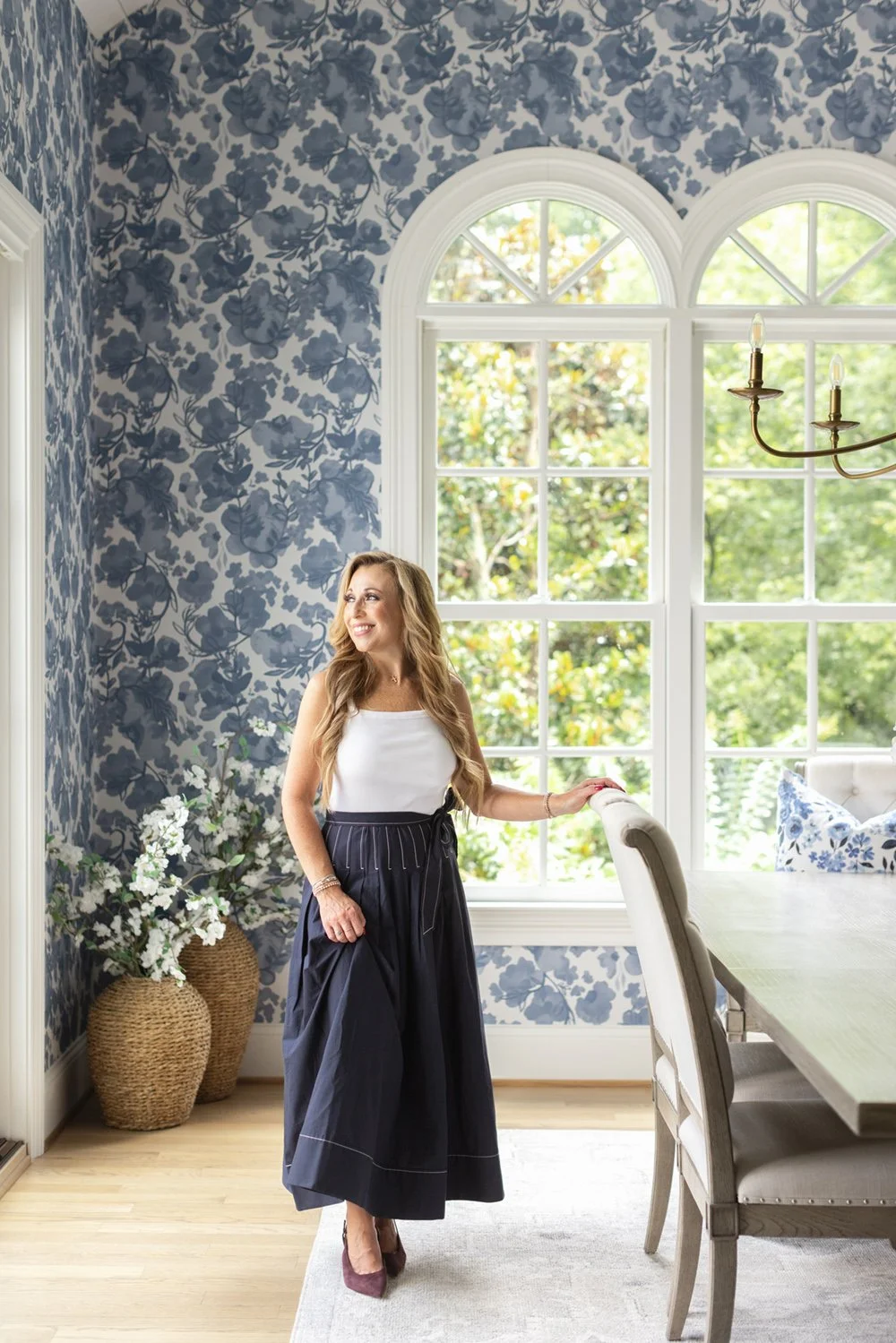
At Xela Andrews Interiors, we believe a beautifully designed home should feel just as good to live in as it looks. Our full-service approach brings together thoughtful design, functionality, and the details that make a home feel distinctly personal to the people who live there.
Based in Brentwood, Tennessee, we serve clients in Nashville and the Dallas-Fort Worth area, working on everything from new construction and significant renovations to furnishings and finishing layers. We collaborate closely with our clients and their project teams to help bring clarity to the many decisions along the way, while keeping the bigger vision for the home at the center of the process.
For us, great design isn't about creating a home that simply looks finished. It's about creating spaces that reflect your style, support the way you live, and feel like they truly belong to you.
Let's Talk About Your Home
The earlier your designer becomes part of the conversation, the more opportunity there is to thoughtfully consider the details that will ultimately shape your finished home.
Whether you're planning a renovation, building a new home, or exploring which interior design services make sense for your project, Xela Andrews Interiors can help create a clear design direction and guide the decisions required to bring it to life!
Like this post? Share it to Pinterest!